
The urinary system is the body’s drainage system for filtering blood, removing wastes and extra water. Urinary tract infections (UTIs) are the second most common type of infection in the body. A urinary tract infection (UTI) is an infection of any part of the urinary system . It can involve any part of your urinary system. Bacteria — especially E. coli — are the most common cause of UTIs.
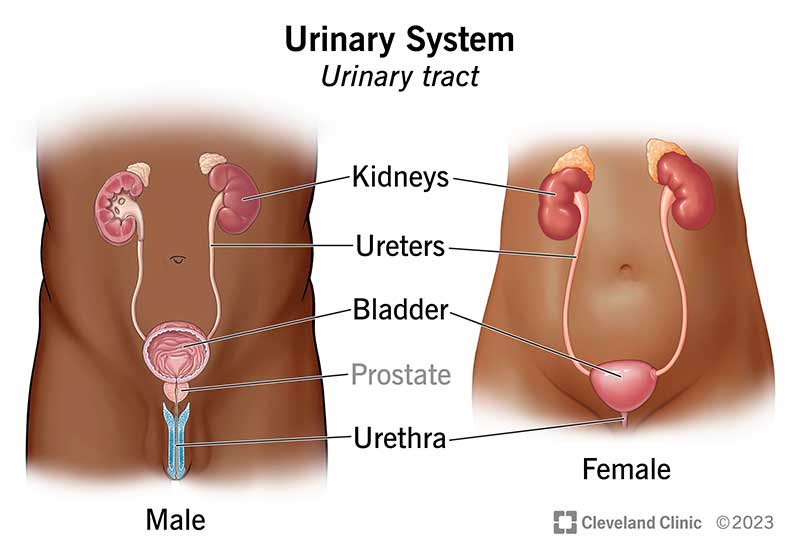
The urinary system consists of two kidneys, two ureters, a bladder, and a urethra. Each part serves a different function:
- Kidn Kidneys are small, bean-shaped organs on the back of your body, above your hips. Most people have two kidneys. They filter water and waste products from your blood, which becomes pee. Common wastes include urea and creatinine.
- Ureters.Your ureters are thin tubes that carry pee from your kidneys to your bladder
- Bladder. Your bladder is a balloon-like organ that stores pee before it leaves your body.
- Urethra.The urethra is a tube that carries pee from your bladder to the outside of your body.
UTIs usually affects the bladder or the urethra first. Left untreated, the infection can spread to the ureters and the kidneys.
How do you get a urinary tract infection?
Microorganisms — usually bacteria cause urinary tract infections. They typically enter through your urethra and may infect your bladder. Left untreated, the infection can also travel up from your bladder through your ureters and eventually infect your kidneys.
The most common UTIs affect the bladder and urethra.
- Infection of the bladder.Bacteria called E. coli often causes this type of UTI. This type of bacteria commonly lives in the gastrointestinal (GI) tract. But sometimes other bacteria are the cause.
- Infection of the urethra. This type of UTI can happen when GI bacteria spread from the bowel to the urinary tract. An infection of the urethra also can be caused by sexually transmitted infections, such as herpes, gonorrhea, chlamydia and mycoplasma.
People of any age or sex can get UTIs. But about four times as many women get UTIs as men. You’re also at higher risk if you have diabetes.
Some people have repeated, also called recurrent, infections. This means having two or more UTIs within six months or three or more within a year. Repeated infections are more common in women.
Types of UTIs
UTIs are classified according to the location of the infection:
- Cystitis (bladder infection)is a common type of UTI that involves inflammation of the bladder.
- Pyelonephritis (kidney infection)is a painful kidney infection caused by cystitis. In some cases, the bacteria from the bladder can travel up towards one or both kidneys.
- Urethritis (urethra infection)involves inflammation of the urethra. It is usually caused by an infection.
Symptoms of Urinary Tract Infection :
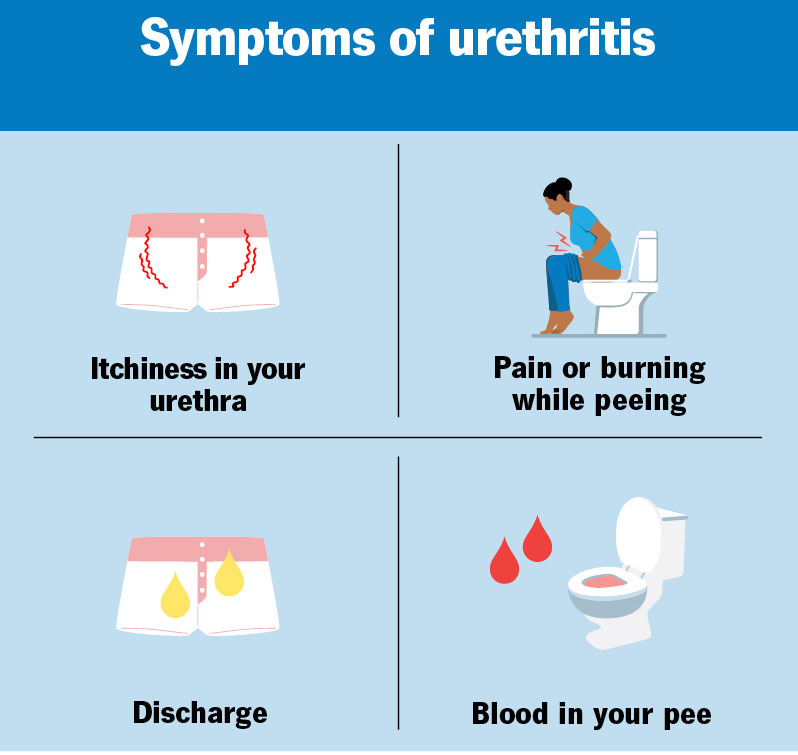
The symptoms of urethra infection include:
- Blood in your pee (hematuria)
- Itchiness at the tip of your urethra
- Pain during sexual intercourse (dyspareunia)
- Pain while peeing (dysuria)
- Pelvic pain
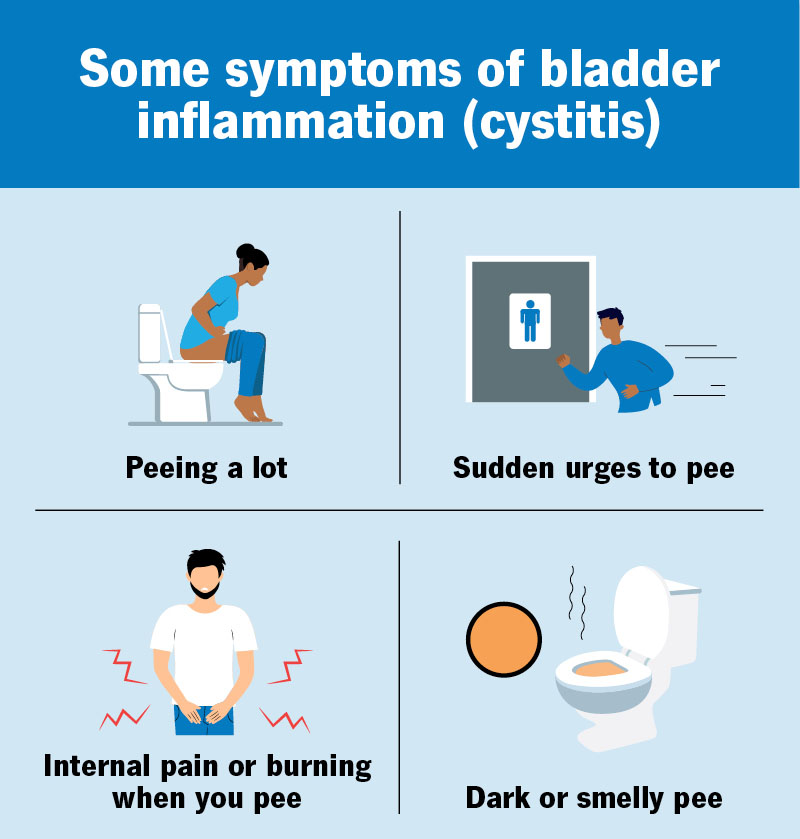
The symptoms of a bladder infection include:
- Peeing more often than usual (frequent urination): You may feel like you have to pee all the time, even if not much comes out. Some people also feel a sudden, strong need to pee and can’t hold it (urge incontinence).
- Pain or burning when you pee (dysuria): It may burn or itch when you start or finish peeing.
- Changes in your pee: It might look darker or smell bad.
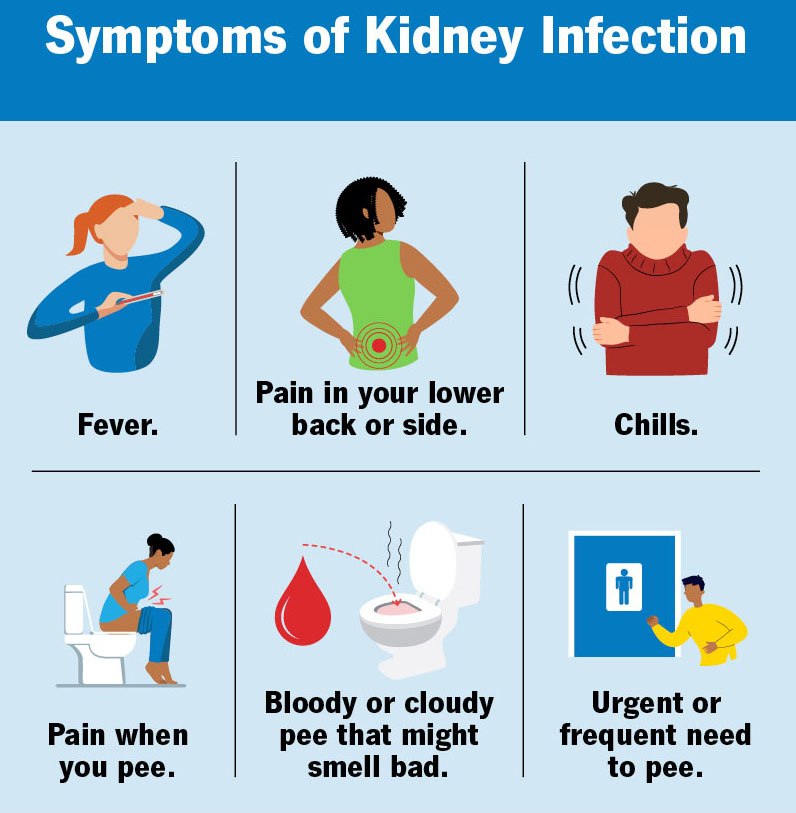
If the infection spreads to your kidneys, symptoms may include:
- Fever.
- Chills.
- Pain in your lower back or side.
- Pain when you pee (urinate).
- Bloody or cloudy pee (hematuria or pyuria) that might smell bad.
- Urgent or frequent need to pee.
What tests will be done to diagnose a urinary tract infection?
A OTC UTI Self test will be a choose to diagnosis if you have urinary tract infection.
UTI Test usually include the following test parameters: Nitrite, Protein, Blood and leukocyte.
During this test, you’ll pee into a special cup. Then you put the test strips into the urine for several seconds, after 2 minutes, compare your test strip with the color chart, you can get your test results, if have have positive of any item, please contact your healthcare provider to do further diagnosis.