
What is blood glucose?
Blood glucose, or blood sugar, is the main sugar found in your blood. It is your body’s primary source of energy. It comes from the food you eat. Your body breaks down most of that food into glucose and releases it into your bloodstream. When your blood glucose goes up, it signals your pancreas to release insulin. Insulin is a hormone that helps the glucose get into your cells to be used for energy.
What is diabetes?
Diabetes is a disease in which your blood glucose levels are too high. When you have diabetes, your body doesn’t make enough insulin, can’t use it as well as it should, or both. Too much glucose stays in your blood and doesn’t reach your cells. Over time, having too much glucose in your blood can cause serious health problems (diabetes complications).
Kidneys have a limit (renal threshold), usually around 160 to 180 mg/dL of blood sugar. Once blood sugar passes this limit, the kidneys cannot keep up and excess glucose spills into the urine.
if you have diabetes, it’s important to keep your blood glucose levels within your target range.
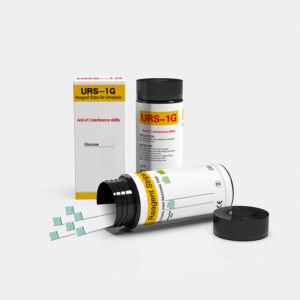
So the urine glucose test or blood glucose test is needed for a diabetes patient.
Urine glucose appears only when blood glucose rises past a specific limit called the renal threshold, which usually happens around 160 to 180 milligrams per deciliter (mg/dL)